
This Will Not Change Without Your Voice
On Male Silence, Shame, and the New Front Line

The human trafficking industry currently generates $172.6 billion from forced commercial sexual exploitation annually, with an estimated 49.6 million people held in modern slavery worldwide, including 12 million children. Of those, 6.3 million are forced into commercial sexual exploitation specifically. Of sex trafficking victims, 99% are women and girls1
I am not writing this to shame men. I am writing this because I believe most men who are silent right now are not indifferent, they are frozen. There is a difference, and it matters, because one is a moral failing and the other is a physiological and somatic state that can be moved through. The Epstein files are not just an exposure of powerful men doing unconscionable things. They are a mirror held up to an entire culture — and the reflection requires all of us, but especially men, but also women, to reckon with what we see. This is not a war being fought out there. It is one already happening inside of us. And the question is not whether you will engage with it. It is whether you will do so consciously, before it finds you anyway.
The Epstein files are just the tip of the iceberg. We all know that and yet very few want to dive into the waters and see what we are dealing with. But I think it is important that we do because those who are still benefiting from Epstein are happy for him to be the scapegoat so long as we don’t focus our energies on dismantling the entire system.
And so I offer these numbers because the scale matters here. It is much easier to track the victims of sex trafficking but there is no clean global number of the number of men who participate in this economy because so much of this participation is hidden, normalized, or unrecognized.
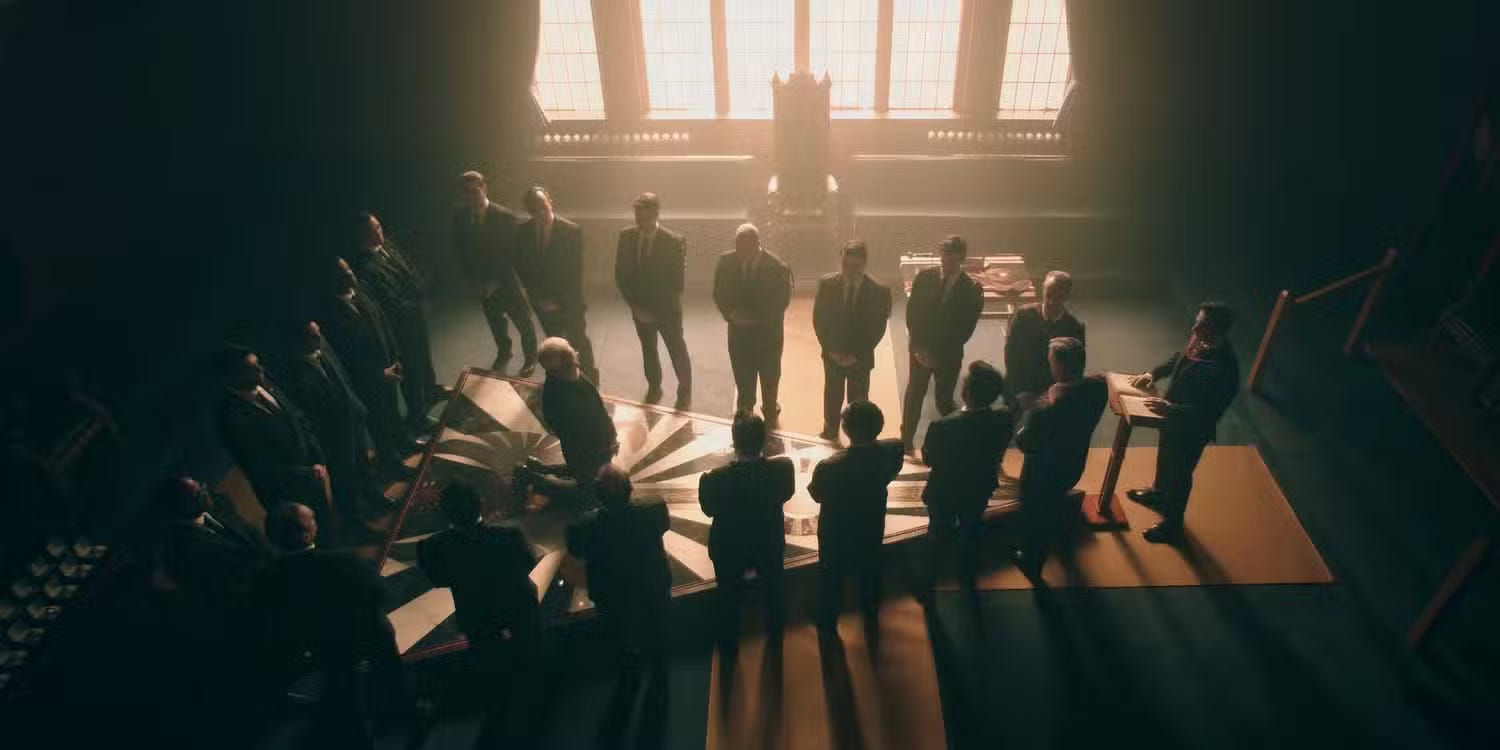
It also lives behind the defensive wall of shame.
The available data suggests we are talking about tens of millions of direct buyers and hundreds of millions of indirect beneficiaries — the vast majority of them male, the majority of whom, I believe, hold a lot of shame for their decisions to engage in sexual exploitation. This is precisely why the silence of men on this issue is not a neutral or acceptable position. The shame must be reckoned with. Not at a weekend retreat, but on a systemic and cultural level.
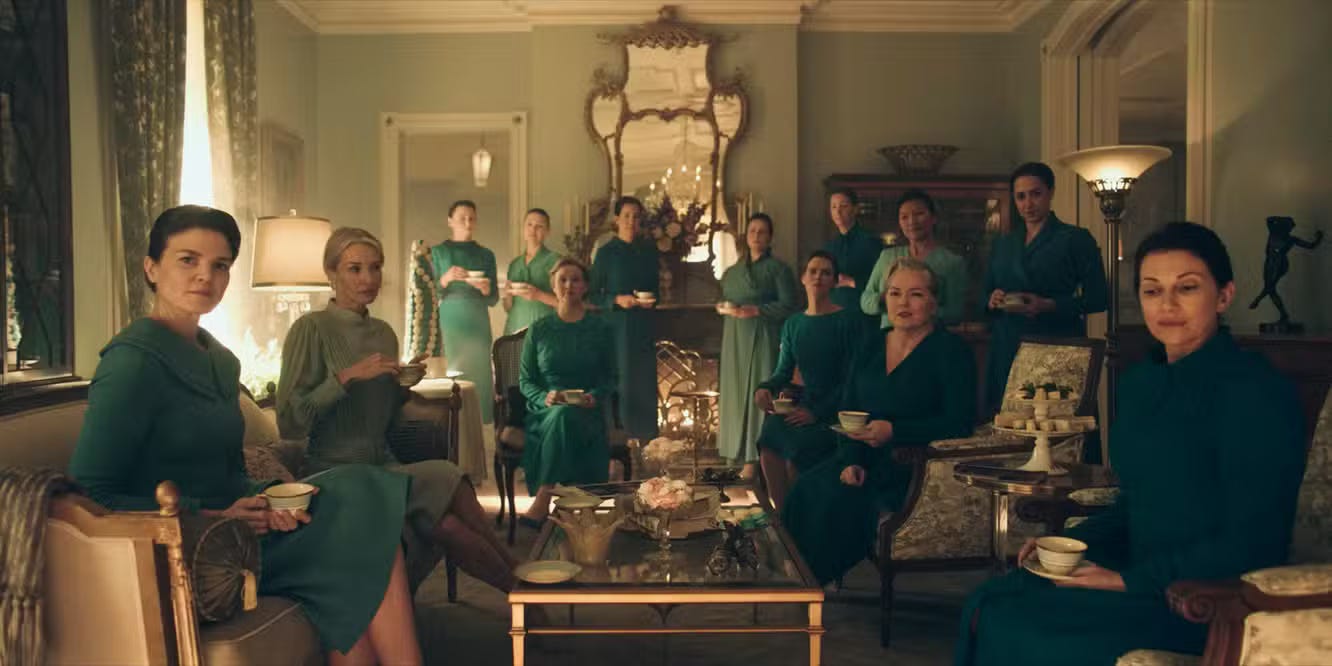
To do this, women must do our own dismantling as we have been conditioned to defend the bad behaviour of men. Celeste Davis goes into this in her recent essay.
Patriarchy assigns us different roles to play—dominance for men, deference for women —but it’s the same hierarchy.
And like any durable hierarchy, it survives by offering incentives to the middle tiers.
Why would women support a system that devalues them?
Well patriarchy makes women an offer:
If you play your part — if you don’t rock the boat, if you align yourself with powerful men and distance yourself from the “wrong” kinds of women — you won’t be at the bottom. You’ll be adjacent to power. You’ll be protected by it.
You don’t have to be the abuser.
You just have to look the other way when he abuses. Enable him. Excuse him. Laugh at his jokes. Shield him from accountability. Stay quiet when he harms someone. Defend him and his reputation.
In exchange, you receive any number of potential perks: acceptance, respectability, companionship, desirability, proximity to status, financial gain.
I have been dismantling internalized Patriarchy for a good 2 decades. I understand the terrain. I sit with women as they do this work too. It is ongoing and at times deeply confrontational. But I wouldn’t stop for a million dollars because it is a story that weaves through our bodies and psyches as women and it has caused us not only to abuse ourselves but other women.
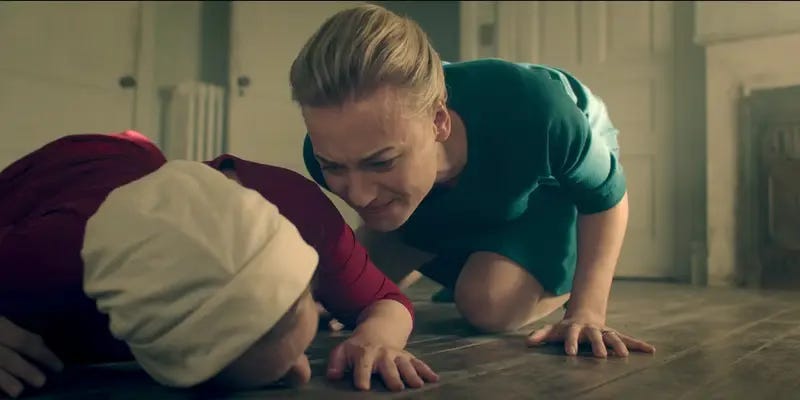
Let us call this the Serena Syndrome. In the Handmaids Tale, Serena Joy Waterford is one of the architects of Gilliad. Her character gains status through the hierarchy created between women and men in this ‘new society’. She abuses June, her Handmade because it is apart of the script of establishing order within the dominance hierarchy. She also has her finger cut off in a humiliation ritual because she advocates for women to reclaim their right to read.
Serena eventually comes to terms with her abusive behaviour as she herself experiences heightened abuse at the hands of the men running the show. She is never fully absolved of her crimes but the complexity of her character reflects the depth of dismantling required by most women to upset how we ourselves benefit from and prop up Patriarchy.
Back to trafficking. So if we can accept that women are also apart of supporting this system we can more fully work with the deeper truth. The demand side of trafficking is overwhelmingly male driven. We know this is fact. So while a handful of Serena’s exist as benefactors to some degree or another, they are not the architects of the system on the whole. Some, like Ghislaine Maxwell may be more involved, but they are not the problem. They are a functioning as a cog in the machine, a reminder to other women that they stand to benefit from compliance.
The mass majority of women are more akin to June or Moira. Their stories speak to how the survival, the advocacy, the grief, and the outrage remain disproportionately carried by women. Their liberation, while supported by a small number of men, is primarily through an unshakable tenacity to get free. There are millions of women and girls currently living this story and so you must understandably accept that I have zero tolerance for men that point there fingers at women like Maxwell and suggest “women are the problem.” This is a form of gaslighting and we need to stop it dead in its tracks.
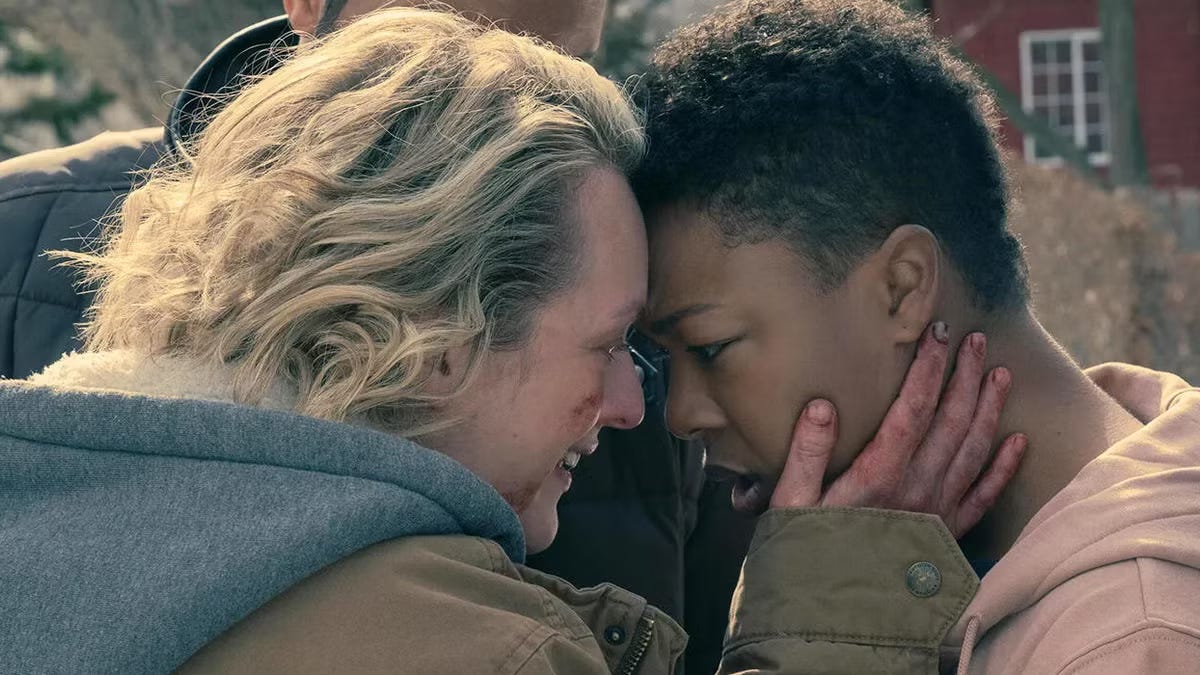
Women have been historically left to carry the weight of our trauma, outrage, grief, safety, and advocacy alone. Largely because it has not yet been a major threat. Until now. I believe that is why we are witnessing more of a backlash against women. We are more of a threat because we are talking more openly about our rage and grief (keep it up).
I know women who are being viciously trolled on the internet by hundreds of men for speaking out. The violent misogyny is real and not just ‘out there’. It is in everyone of our communities.
Thankfully, as women we are remembering the power of gathering together, of our voices united. We need to be bringing this remembering into the fabric of our communities because the majority of women are still living under the illusion of receiving Patriarchal Perks in exchange for our power.
While we are very adept in creating safety for ourselves and our children, we are still very vulnerable and the numbers reveal that. At the core of our own rehabilitation is that we don’t want to live in a constant state of hyper-vigilance and fear. One of women’s survival tactics is the talk amongst our selves. We may not always feel safe directly confronting abusers but we will warn other women. This only gets us so far.
A New Front Line: Men Rehabilitating Themselves
In the time it has taken me to write this essay a war has erupted between the US/Israel and Iran. The first casualties were school girls. Any semblance of patience I had left dissolved with this news. So as men are being sent to war, they have a choice. Do they participate in violent world ending Patriarchy or do they create a new front line. The one in which they battle internalized Patriarchy?
War has been God in the eyes of men for 4 millennia writes Monica Sjöö and Barbara Mor in The Great Cosmic Mother. The machinery of sex trafficking and war profiteering is the same. Our social fabric of our world has been woven through mass terror, mass violence, mass rape generated by war so a small number of individuals benefit. That is why what is happening right now feels inevitable.
Just as rape for women feels inevitable. Just as I imagine becoming a rapist might feel inevitable to men. This was a hard sentence to write but it may be the most important one. My assumption is that most men know who the rapists amongst them are (including themselves) even though most will deny it. A very, very small number of those men will acknowledge these man, let alone themselves, let alone say anything about it.
I posted about this on my Facebook page and decided to write this as a result of some of the expanded insights I have as a result of some of the comments. One of which coming from a man:
we as men are afraid that we can never do better than just suppressing our predatory nature. So, it is not about calling out the "bad men." It's about outing the dark truth of how we see ourselves. How does one function feeling like safety is facade we learn to generate, not a truth we embody? I know there is a lot of anger from women. Unfortunately, it scares men back into the shadows. I think men want to speak out more, but it is not safe to do so. It is easier to just point the figure at the "bad men" and say, "it's not me; it's them." But that is a lie. The Epstein situation is just an extreme version of normal cultural social scripts. There is an evolutionary force in the male psyche that has been twisted. If you listen closely, the mantra goes: sexpowerhuntfuckkillsexpowerhuntfuckkillsexpowerhuntfuckkillsexpowerhuntfuckkill
So we have men who are sympathetic but afraid. This is not new information for me. I know that their silence is not neutral and I have a lot of feelings about the refusal to overcome this fear. I see it as a posture of apathy that results from the lie they tell themselves about the world we live in. But the thing is we are in the apocalypse in the sense that the veil is being lifted. The confrontations will find us regardless of having a gold medal in mental gymnastics.
The irony that men feel that they are not safe to speak out against rape culture when women are constantly unsafe simply for being a woman is, needless to say, infuriating. I do not buy this as an excuse to avoid doing the work. I also do not want to shame this response. I want to understand it because a lot feels like it is on the line, because this is a war and we get to reclaim our agency in how we engage with it. Apathy is not an option. So what to do when it feels epistemic?
When contemplating how to engage with this dilemma, I remembered a somatic trauma term that felt resonant as it relates to apathy as a learned somatic state. Tonic immobility. Critiquing collective apathy will only get us so far. I believe it is important to bring the body into the conversation.
Tonic Immobility & The Nervous System Roots of Apathy
Tonic immobility is a biological survival response. We all experience it as an involuntary state of paralysis that the nervous system initiates when it perceives threat, especially when fight or flight are not viable options. It is most commonly discussed in the context of sexual trauma, where survivors often describe being unable to move, speak, or resist during an assault, not because they chose not to, but because their nervous system made that choice for them, beneath the level of conscious will. We call this the freeze response.
What is less often discussed is how this same mechanism can operate in the social and emotional body, not just in moments of acute threat, but in response to chronic exposure to information that feels overwhelming, morally unbearable, or too large to metabolize. As a sexual abuse survivor who lived in functional freeze for most of her life, I have been working through tonic immobility almost daily since the last major Epstein file release.
When people encounter something like the Epstein files, the scale of the abuse, the power of the perpetrators, the decades of complicity, the darker dimensions, the nervous system freezes. Not just a physical freeze, although that may be happening, but more of a psychological, emotional and also a moral one. The person is not necessarily indifferent (although many are).
They may feel the weight of it deeply. But the nervous system becomes so flooded that it defaults to freeze as a form of protection. I believe many men are afraid of being overwhelmed by emotions such as grief and rage so they have very strong mechanisms to hold these emotions at bay. This is inherited through a long lineage of fathers who also didn’t have the nervous system range or social support to process emotions, their own, let alone what is happening in the world around them. Women on the other hand have survived through emotional resilience.
We know that depression and addiction are often the outcome of these self-protection mechanisms. There is a deeper learned helplessness bellow what is judged from the outside as disengagement, avoidance, and silence. This is not to condone or accept but learned helplessness must be unlearned through self-reflection, accountability, and embodiment. Which requires men to feel their feelings regarding what is taking place within themselves and the world and to unpack their own relationship to the deeper social and culture wounds from which these types of abuses spring from.
I imagine that for men who are socialized to respond to threat with action or to suppress emotional overwhelm entirely, this freeze state can be particularly confusing to navigate and challenging to unpack. I have empathy for them but at the same time action is most definitely required in moments such as these. Consciously grieving is such an action.
Questions for Rehabilitation
Apathy is not as moral failure but as a physiological response — one that deserves compassion rather than contempt. It is equally important for men to understand their own nervous system state, not as permanent or an identity. It is a response that can be moved through with safety, with co-regulation, with the gentle but persistent invitation to act in small, manageable ways.
This is precisely why questions matter. Questions do not demand that someone leap from freeze to full mobilisation overnight. They create a small opening in which a breath of safety begins to signal to the nervous system that change is possible. That accountability and speaking up is survivable.
Here are some questions I hope men will engage with to serve the dismantling of Patriarchy within themselves and the world.
When you first heard about the Epstein files, what did you feel in your body? Did you allow yourself to sit with that feeling, or did you move on quickly to the next thing in your day?
Is there a woman in your life — a daughter, a sister, a mother, a friend — whose face came to mind when you learned what these files contained? What would it mean to speak out for her, even if she never knows you did?
What is the cost of your silence? Not to you but to the women who are watching to see whether the men in their lives will show up on this one.
What are you afraid will happen if you say something? That people will think you’re performative? That you’ll say the wrong thing? That it will cost you socially or professionally? Are those fears worth more than your voice?
Do you believe what happened in the Epstein files was/is wrong? If yes, what is stopping that belief from becoming a vulnerable, authentic expression?
Power protected these men for decades. Have you ever benefited from a culture that looks the other way? This isn’t about guilt it’s about honest reckoning.
What does it mean to you to be a protector? And does that identity extend beyond the people directly in front of you?
Accountability doesn’t require you to have all the answers. It might just start with saying “this was wrong and I refuse to stay quiet about it.” What would it feel like to say that out loud?
Who are you waiting for permission from? And what if that permission never comes?
When this moment passes and people stop caring, what legacy do you want to have left behind?
If you are a man reading this and anything triggers you, please sit with that before showing up in the comment sections. Your reaction is valid but also must be held with conscious awareness before projecting outward. Any comments that do not respect this request will be deleted.
https://ourrescue.org/resources/sex-trafficking/human-trafficking/human-trafficking-statistics/economics-of-human-trafficking